Developmental Assessments - the how, the what, the why

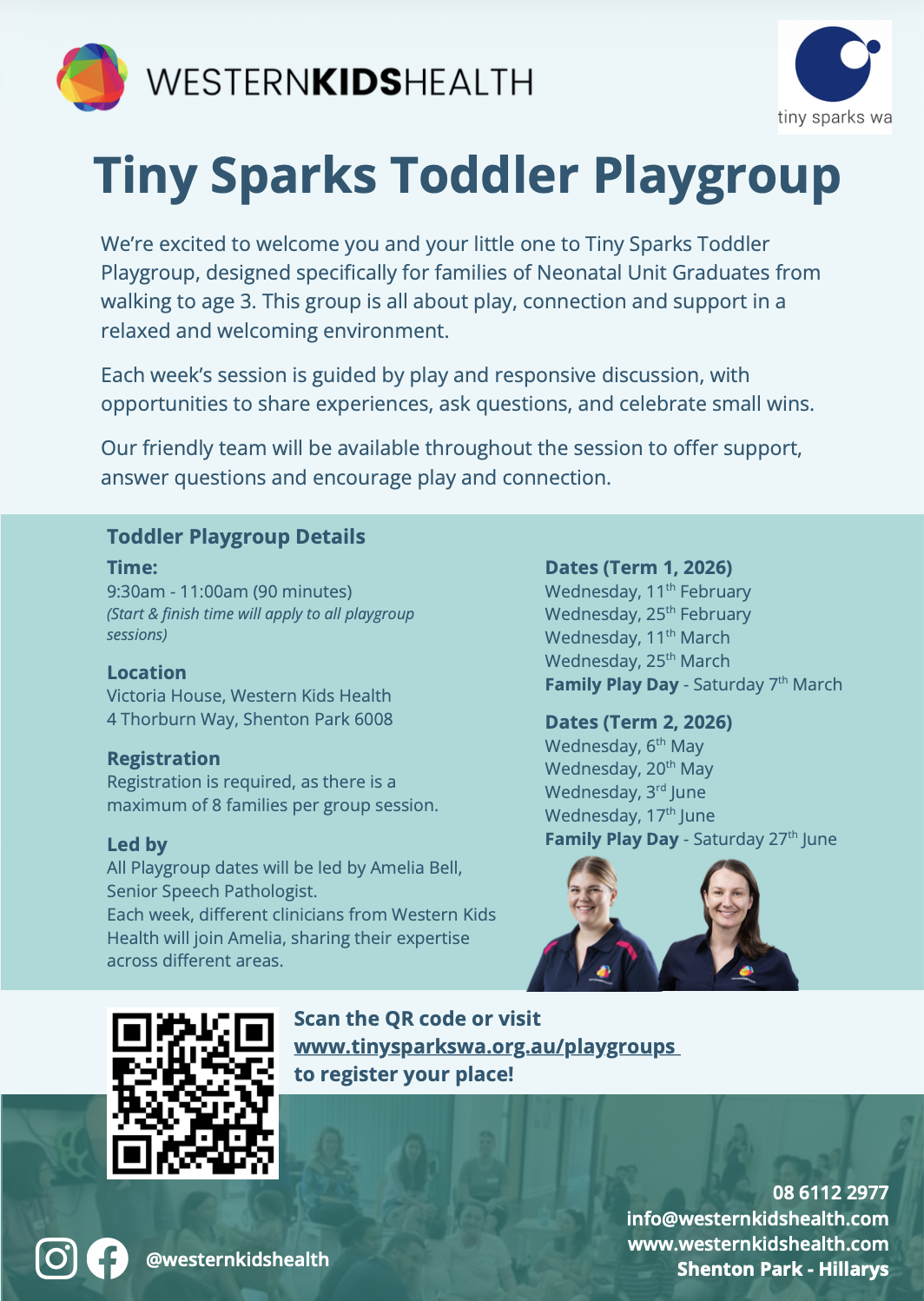
We are pleased to announce our April 2015 workshop will be presented by Dr Catherine Campbell, Clinical Psychologist. Dr Campbell is experienced at conducting developmental assessments of infants that fall under the follow-up program at King Edward Memorial Hospital.  As an interesting side note, she also works with the Australian Men's Hockey Program!

In this workshop, Dr Campbell will help you understand the how, the what and the why of developmental assessments. There will be the opportunity for you to ask questions, although please note this is not an individual consultation session. 

The King Edward Memorial Neonatology Clinical Care Unit provides developmental follow-up for babies who have problems after birth. These may include:

  • Preterm birth (before 32 weeks gestation)
  • Birth-weight less than 1500 grams
  • Major surgery in the neonatal period
  • Seizures or fits
  • Very poor condition at birth
  • Serious illnesses such as meningitis

The program monitors your baby’s progress through early life and provides expert advice and intervention where appropriate. Your baby needs follow-up at regular intervals:

  • Soon after discharge
  • At four months
  • At eight months
  • At 12 months for a detailed developmental assessment (Griffith’s Test)
  • Some babies may be recommended for longer-term follow-up. 

The workshop will be held in Subiaco at the Tom Dadour Centre on Tuesday the 14th of April 2015 at 7pm.  It is open to all families affected by high-risk pregnancy, premature birth or having a sick newborn.  To register for this workshop please visit the registration page.


Rebecca's High-Risk Pregnancy Story

Guest Blog by Rebecca F

Rebecca and Heath - Pregnant!

Rebecca and Heath - Pregnant!

My name is Rebecca and my little miracle is Amelia (or “Millie” as she is known by many!). She was born in 2014 at 28 weeks weighing just 795 grams. I hope by sharing my story I can help more families in our community dealing with a traumatic pregnancy or birth (or both), and I believe this will be very therapeutic for me to write also.  My husband and I had been married for 2 years before we decided the time was right to start trying for a family. I was 28 and my husband was 37 at the time. What I initially thought would be a beautiful and easy experience for us turned into a very difficult and emotional road when we were still trying to conceive 5 years later. Being a little bit of a control freak, this was very hard for me to deal with, and being an early childhood teacher made it all the more difficult as I was surrounded by darling little children day in day out. IVF became the only option, and we were so excited when the day finally came – we were pregnant!

Such wonderful joy unfortunately became overridden with a number of complications throughout my pregnancy. I had a sub-chronic hematoma haemorrhage at 12 weeks that was so large I thought I'd lost the baby. To make sure we would be able to get an ultrasound that night, we had to go to SJOG Murdoch where thankfully the sonographer was already there, having been called in by another middle of the night emergency. A trip to KEMH the next day confirmed the good news that the bleeding had resolved itself and she stayed put! I was also told I had a decent size fibroid, but that it should not cause concern. The next hurdle we came across was at our 12 week scan. The ultrasound showed that our little baby looked great (measuring a little small, but fine the sonographer said), but then we got a huge shock as the blood work for Downs Syndrome came back as High Risk -  1 in 100 for Downs Syndrome and another Trisomy “Patau’s Syndrome”, a condition not conducive to life.  I was so scared, but there was something in me that said “No, not my baby, I will not accept this”. I quizzed the clinic where the bloods were sent and found out it was a low “papp-a” result and my IVF status that put us into this level of a high risk category.  I became quite obsessed with researching low “papp-a” and found out on a KEMH medical document online that it can often indicate a compromised placenta, in uterine growth restriction,  and preterm birth. So I knew in my heart, something was going to happen, but not Downs, not Patau’s. No.

Amelia at 12 weeks gestation - this was video footage and she was really moving!  We called her our little tiny dancer :-)

Amelia at 12 weeks gestation - this was video footage and she was really moving!  We called her our little tiny dancer :-)

I was advised to do an amniocentesis, but I refused, not wanting to put my baby at risk, especially if there was no need to. I made the decision myself to do the 2nd trimester blood test at 15 weeks. That test came back clear of Downs, but shockingly it also came back as our baby having a 1 in 4 chance of Spina Bifida. Once again I refused to accept these results, and questioned the test . I found out it was another placenta related blood issue I had, so I spoke with the wonderful doctors at Western Ultrasound for Women and we booked me in for a 16 week scan with an amazing specialist there. I felt immense relief when he told me my baby was absolutely fine, that he doesn’t often get such clear images and he could see she was developing perfectly.... and it’s a girl! It was such a wonderful day that I won’t ever forget.

Life just wanted to keep testing us though, and at 23 weeks, I started having regular contractions. I was advised to go straight in to KEMH for monitoring. I had a test that came back negative that I would go into labour in the next week, and the next day went to Kaleeya Hospital where I was booked to give birth, to be assessed for a plan. My husband and I went through a traumatic experience that day when we were told if I go into labour nothing could be done for my baby. Needless to say, that was not good enough and I demanded a different doctor, in fact I demanded to see the senior doctor as I was a high risk patient. I would not accept such an attitude, especially when we had come this far. I was put on medroxyprogesterone acetate pills which I was not keen on at all as my pharmacist was very uncomfortable giving it to me knowing I was pregnant, and advised it was a high risk drug. But, after having a bit of a melt-down about it, I had to trust the head obstetrician at that point as my cervix was shortening and I was told that it was vital to keep taking the pills to hold off the contractions. My baby was still measuring small, but no one seemed concerned about it, so I wasn’t either. But I still had the low “papp-a” in the back of my mind.

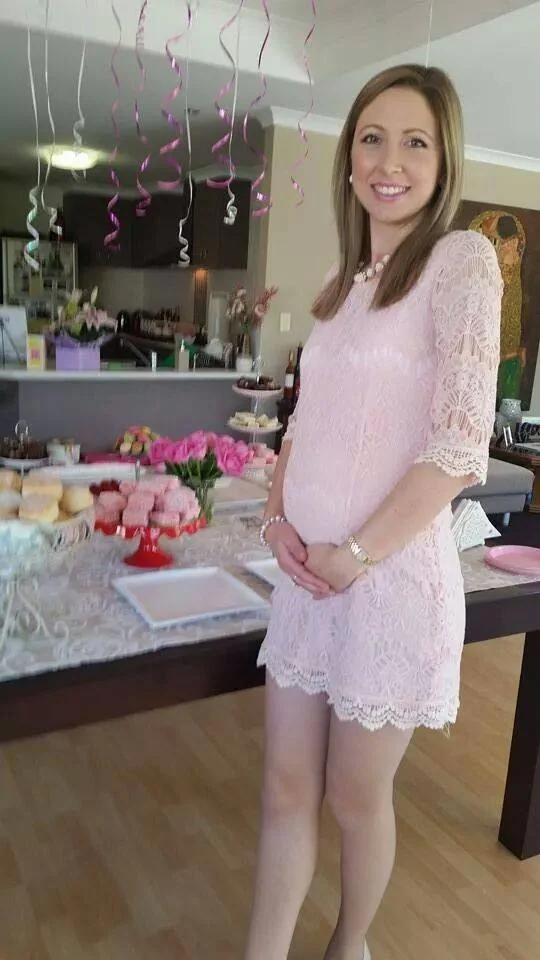
Rebecca's Early Baby Shower

Rebecca's Early Baby Shower

 All seemed fine from that point, I even had an early baby shower that was so lovely. I was able to enjoy my pregnancy for really the first time since all of these complications arose. That was until I was thrown another curve ball, this time a huge one. I started having some what I thought of as general pregnancy woes. At my baby shower I had tightness in my chest that I thought was nervous excitement. Then I had it again in the middle of the night that was strange. The next day I saw spots and was dizzy, but I thought it was because I was hungry and had just done the gestational diabetes test.  But then I remembered I had been very itchy and my liver results came back elevated. The GP hadn't pushed for anything to be done at the time but when I put it all together I was worried. The final indicator something was not quite right was when my feet and ankles ballooned within a couple of hours, very unusual for me. So with the push from my mum, I called the midwives at Kaleeya and drove in by myself for a quick check that night before my antenatal class while my husband was at the gym.

I was instructed to do a urine sample and then lay on the bed while the very efficient midwife took my blood pressure. She had a funny look on her face and said she would just take it again. I knew something was wrong when she wanted to check one more time. My blood pressure was 190/120 and I had 4+ protein in my urine.  The midwife looked panicked and I started to feel really scared. I was told to stay on the bed as everyone starts rushing around me. I was given the steroid injection, a cannula was inserted, and meds after meds which didn't do anything to bring my BP down. My husband was called and he rushed in and I felt better knowing I had him there with me, we were in this together. I was then taken into a labour ward with a very caring nurse who did not leave my side and they called the head of obstetrics in. It was then that I was told I had severe pre-eclampsia and suspected HELLP syndrome. I went with that same lovely nurse in an ambulance and was rushed straight up to MFAU at King Eddies. I was there overnight with the thought I may need a C Section to deliver my baby at any time. Thankfully my BP came down a bit so I was brought down to a ward early the next morning and monitored.  I was 27 weeks and 1 day.

The next day I had an ultrasound and was told my baby was measuring 24 weeks and was only 700 grams. The specialists were very concerned for me and for my baby and said we are playing a dangerous balancing game to keep me from having seizures or a stroke, and to try to grow our baby to a size that was not so extreme and fragile. I was put under the Gold Team and on complete bed rest, with a myriad of medications and injections to stave off the inevitable. I felt a bit like a pin cushion, which I should have been used to from all the years of fertility treatment! My various work commitments were cancelled, including teaching roles within the University of Notre Dame, a part time role I had started that year at a lovely little local primary school, and my musical performance schedule was wiped. I didn’t know at the time, but I would not be leaving those hospital walls before my baby was delivered. I noticed the growing intensity in the tense look on my husband’s face and saw how stressed my family were. I kept thinking, no I have to be strong. Everything is going to be ok.

The paediatricians from the NICU and special care nurseries met with me a few times, but I couldn’t really comprehend what was happening. I missed my little dogs, I missed my home and husband. I kept asking the doctors when I would be able to go home. I thought that I would somehow be able to carry on as normal when they could get my BP down and I would get back to resuming my life. I know now I was in complete denial and was only focusing on what they were telling me about the baby, and disregarding what they were trying to stress to me about my condition. Each time they said “No Rebecca, you need to know you will not be leaving here don’t you? The goal is to get you as far along as we can, but it’s like a knife edge. We have to be very careful. The only cure for pre-eclampsia is delivering the baby”. It was then I was also diagnosed with cholestasis, explaining the extreme itching in my hands and feet. As well as the severe pre-eclampsia, cholestasis can be very dangerous for the baby and it was something my GP should have realised and acted upon from my earlier elevated liver tests.

I used the time I had on bed rest in Ward 3 to read everything and anything I could get my hands on to prepare me for a premature baby. I looked for information and stories about preterm birth and stories of survivors in Western Australia in particular, the locality made me somehow feel more reassured that if those babies can make it here in Perth, then my baby can make it too. I became obsessed with researching low birth weights and gestational ages, and that was when I remembered I had actually contacted Tiny Sparks WA back at 23 weeks when I first started having those contractions. Bronwyn Rose, chairperson, was so generous with her time, and answered all my questions as best she could, and provided me with a real sense of comfort. I am a big believer in a trouble shared is a trouble halved. I contacted Bronwyn again when I was admitted to KEMH with my pre-eclampsia and she was once again a wonderful support. Over the next week I would regularly look on the Tiny Sparks WA website and Facebook page. I am so glad there is now the Tiny Sparks WA High Risk Pregnancy Support Group as an amazing support to women going through very difficult pregnancies. If we can be there for each other in such times of need, we are in some small way also validating our inner strength and understanding. Sometimes we just need to be heard, sometimes we just need to share with those who “get it”…..

Ready for a caesarian section

Ready for a caesarian section

I got progressively sicker and sicker and ended up on oxygen, unable to breathe. On Day 6 I was rushed to Charlie Gardiners via ambulance for X-rays, lung scans and a heart echo and was found to have pulmonary oedema (fluid on my lungs). I was very swollen in the face and didn’t look like myself, I started to become scared about what was happening to my body, when before I was only worried about my baby. I had become completely “out of it” by that stage and slept through all the scans and the echo, I felt so helpless, and very vulnerable. My body was starting to show signs of severe distress and my BP was rising again, not able to be brought down. By the time I went back to King Eddies I was put into a bed in ASCU (the Adult Special Care Unit) and after realising a heart attack could be a real possibility, Dr Griffin and the Gold Team made the decision to do an emergency c section immediately. My baby girl Amelia was born at 11.30pm, weighing 795 grams. She was 28 weeks on the dot.

That concludes the story of my High Risk Pregnancy. The next instalment will continue with the emergency caesarean birth and NICU journey of my baby daughter. Thank you for reading.

If you are pregnant and experiencing symptoms of pre-eclampsia please don't wait, contact a health professional immediately.

Signs to watch out for are:

  • Swelling
  • Protein in the urine
  • High blood pressure
  • Rapid weight gain caused by a significant increase in bodily fluid
  • Abdominal pain
  • Severe headaches
  • Change in reflexes
  • Reduced urine or no urine output
  • Dizziness
  • Vision changes


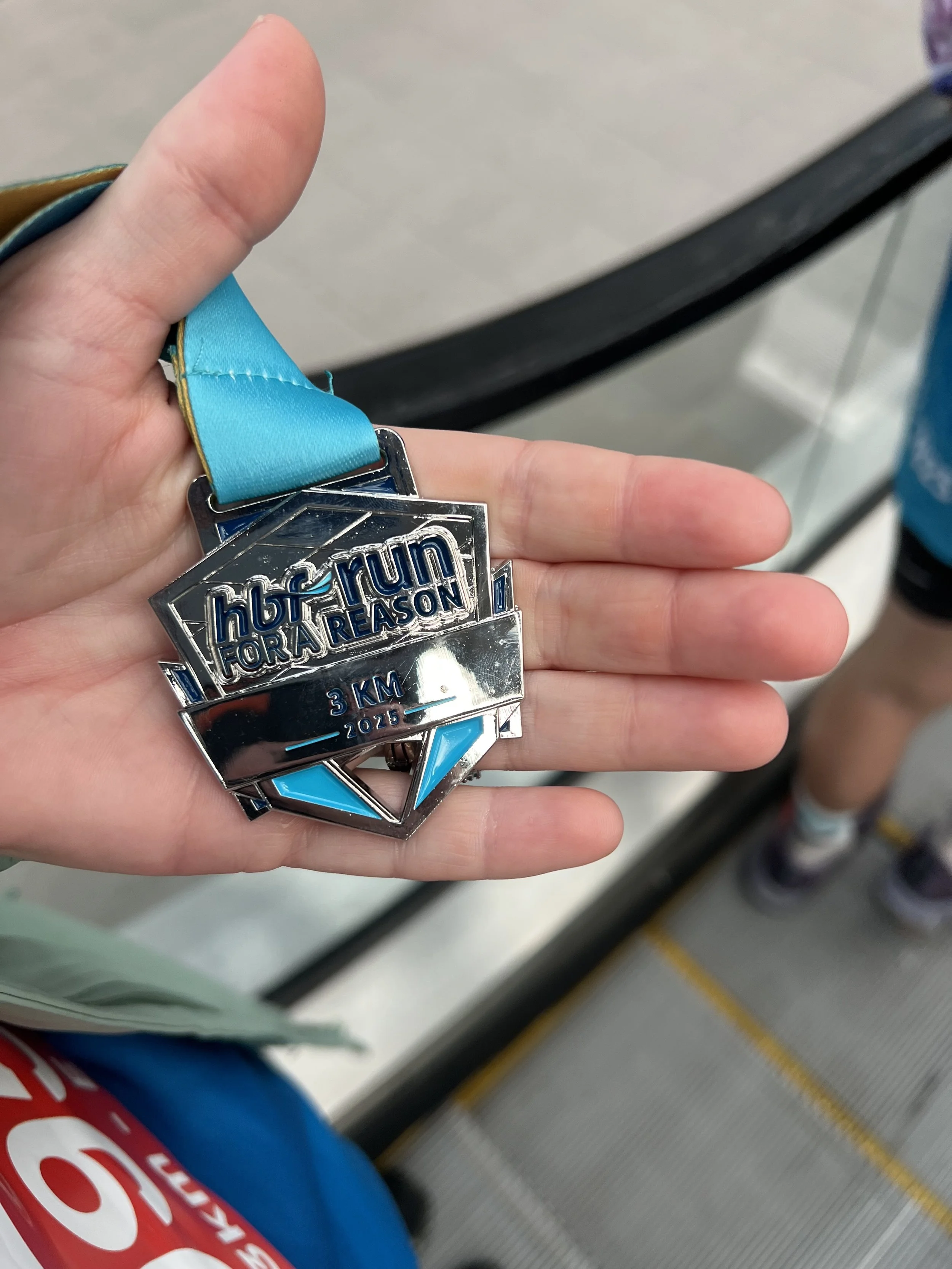
HBF Run for a Reason 2015

For the second year, we are excited to be entering a team in the HBF Run for a Reason to be held on the 24th May 2015. There are three distances that you can walk, jog or run:

  • Half Marathon 21.1km (no walking category available)
  • Ramsay Health Care 12km
  • Ramsay Health Care 4km

Over five years, the event has raised more than $4.2 million for over 100 local health charities. Tiny Sparks WA is one of those charities. Last year, our team raised a fantastic $3,310. In 2015, we have set our goal higher, to raise $6,000. Can you help us fundraise to provide the following to our community in Western Australia?

  •  $1,250 will be spent on printing and postage for 1,000 copies of an information booklet 'Hope - A guide to surviving bed-rest'. These will be distributed to maternity hospitals and obstetricians across the state.
  • $500 will cover on the cost of running free monthly workshops for the year.
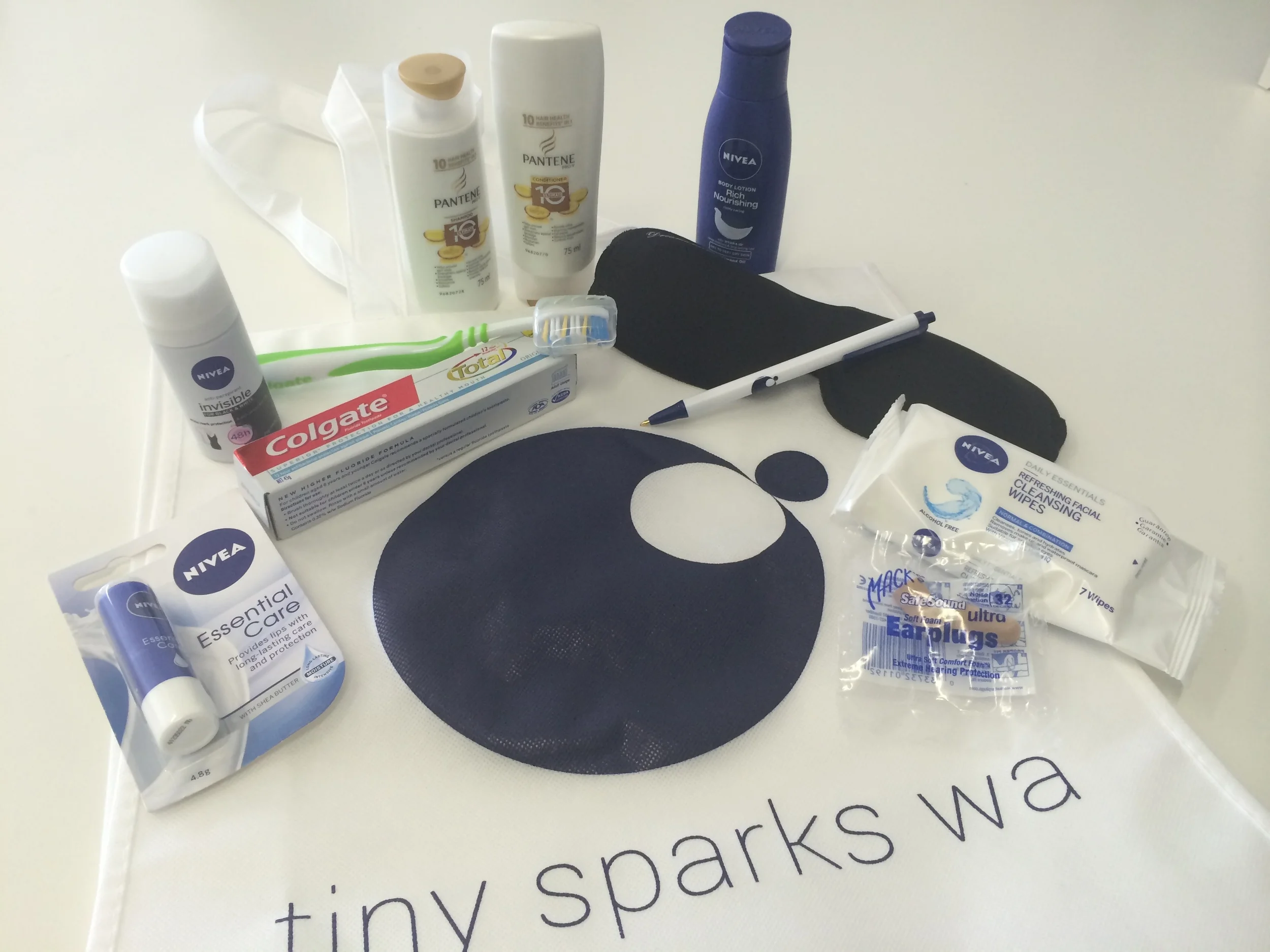
  • $2,250 will provide 50 NICU care packages for parents of babies born very prematurely.
  • $2,000 will providing 100 bed-rest care packages to mothers who unexpectedly find themselves in hospital on bed-rest in the second trimester/early third trimester period of their pregnancy, due to complications or risk factors associated with their pregnancy.

To join our team:

  1. Head to the HBF Run for a Reason registration site here
  2. Tick the box 'I'm a Participant'
  3. Tick the box 'Yes' to the question 'Are you part of a Team?' and click the green button 'Continue'
  4. Type 'Team Tiny Sparks WA' under the 'Team Name'
  5. Click the green button next to our team listing 'Join'
  6. Reconfirm by clicking the blue button 'Join'
  7. Enter your 'Participant Details' and click the green button 'Continue'
  8. Select your distance and click the green button 'Continue'. Note that last year, we had supporters participating in all distances and met up at the end.
  9. Select the shirt size (if you register by Saturday the 28th February, your name can be printed on your event bib).
  10. Complete the 'Additional Questions' and 'Event Pack' details.
  11. We would love you to create a 'Fundraising Page' by clicking yes and selecting 'Tiny Sparks WA'. Note that this is not obligatory to be part of the team, however, if you raise more then $50 on your fundraising page, we will give you a sports cap and water bottle as a thank you. Click the green button 'Continue'.
  12. Select merchandise as you wish and click the green button 'Continue'. Note that this is at your own cost.
  13. Continue through with the rest of the details, including payment of the entrance fee which is to be met by you.


Women's Triathlon 2015

The Sunsmart Women's Triathlon will be held Sunday 15th March 2015.  Just by entering this triathlon, you will be supporting the Women and Infants Research Foundation (WIRF) and the Esther Foundation.

We are grateful to the following Tiny Sparks WA members who are helping raise awareness and funds for WIRF and Tiny Sparks WA.

Elisha Rose

Elisha Rose

  • Member, Michelle Carey, will be participating in the triathlon and will be speaking on behalf of our community for WIRF at the event. Michelle and her daughter Olivia, will also be the face of prematurity in WIRF related media.
  • Board Member, Elisha Rose will be participating in the triathlon and has set up a fundraising page for Tiny Sparks WA. If you wish to support Elisha's campaign, please head to her fundraising page here.

The SunSmart Women’s Triathlon is about giving women the opportunity to try something new in a safe and supportive environment.  There are four different distances to choose from to cater for all ages and abilities:

We wish both Michelle and Elisha the best of luck in the triathlon. We hope you might join them! If you wish to participate in any of these distances and want to set up your own fundraising page for Tiny Sparks WA, please do not hesitate to contact us by phoning the office or emailing events@tinysparkswa.org.au.


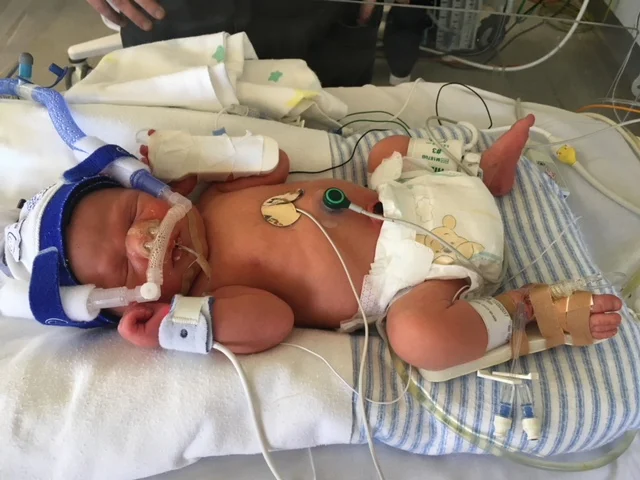
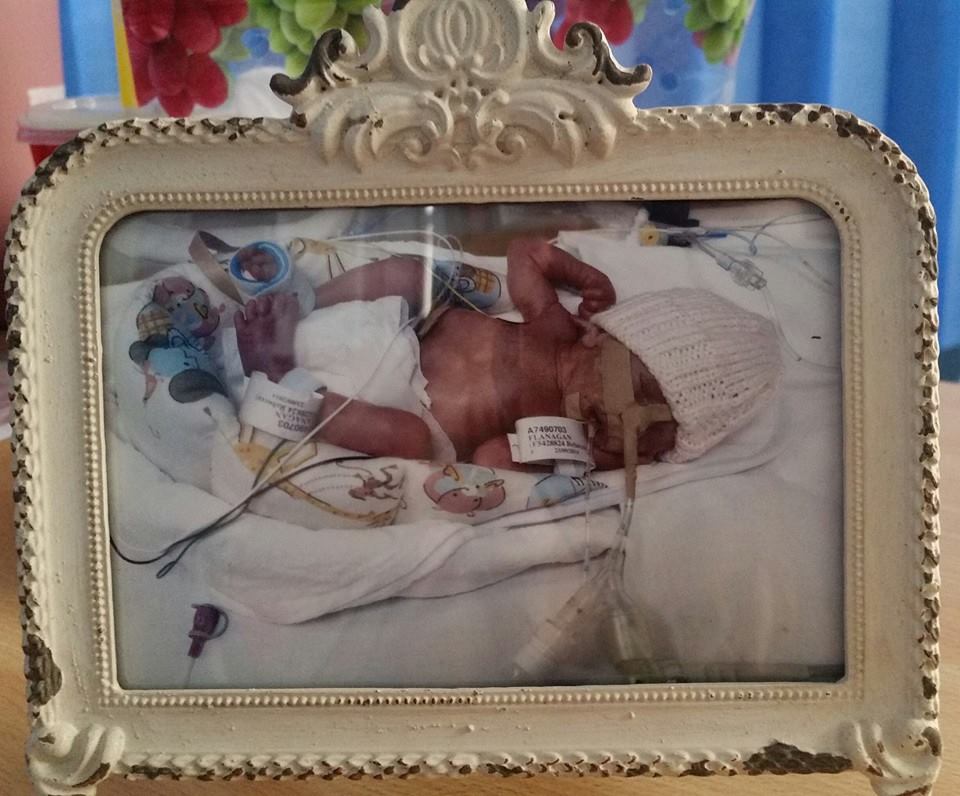
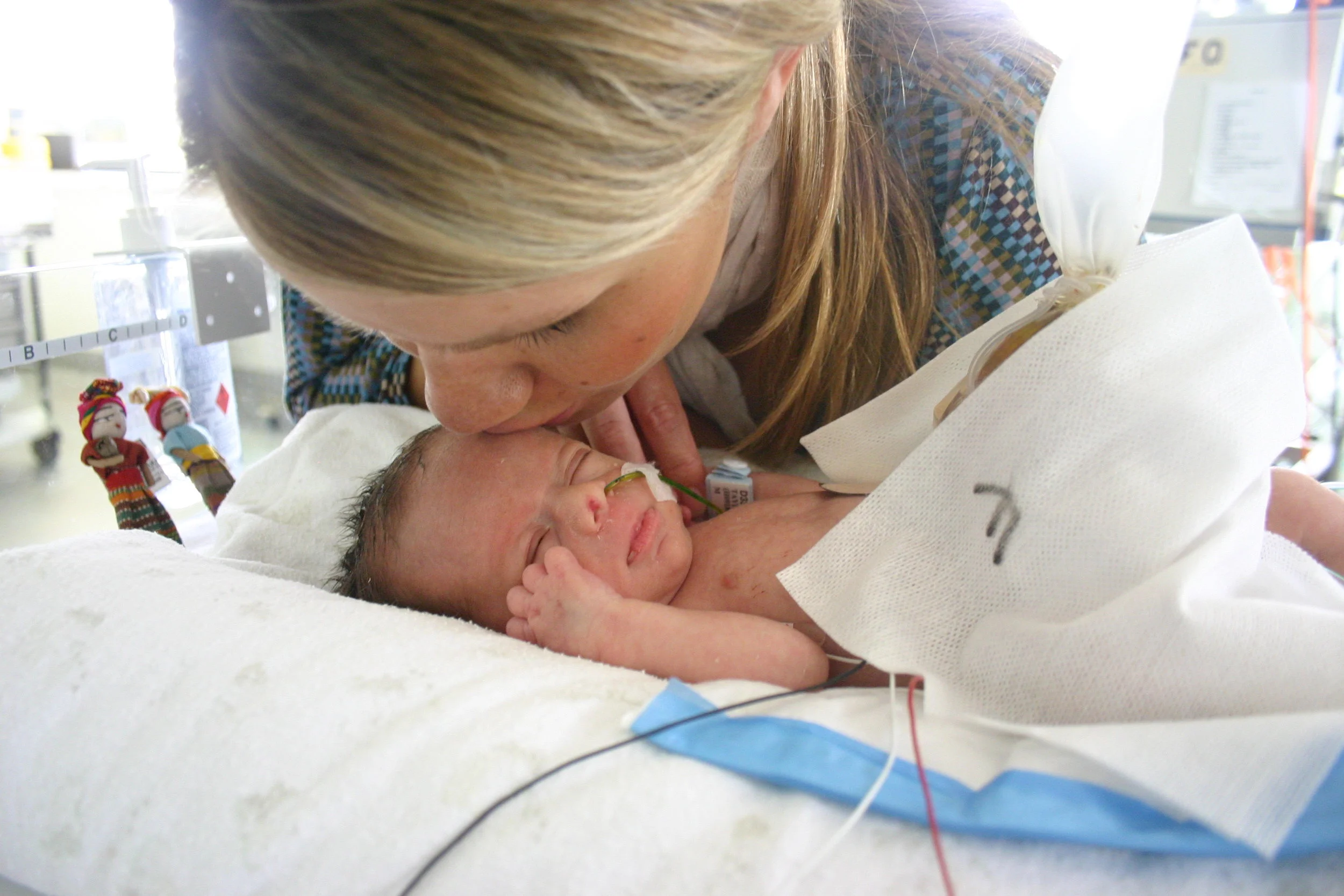
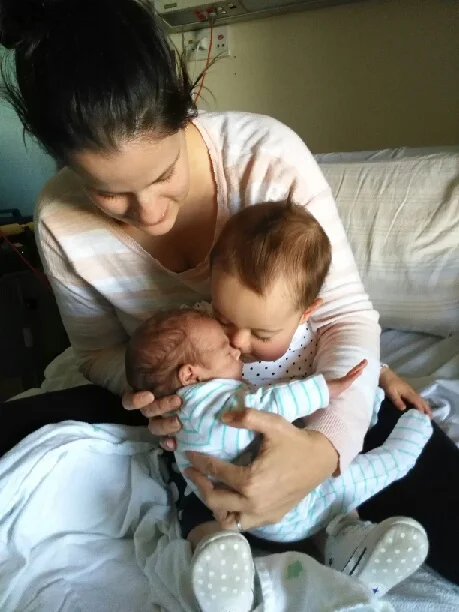
Parent Tips - Bonding in NICU/SCN

We asked parents on our Facebook community to share their experience on the best ways to bond with your baby whilst in NICU/SCN:

"I used to sing to my baby everyday and once we were in special care I started reading her books, it made us feel like 'real' parents." Samantha

"Kangaroo care. Push for it. Make sure from the doctors your baby is stable enough for more than one session a day. Push for it with the nurses once the doctors clear it. We cuddled for hours on end once stable. I told her what we had done the night before and morning. What was going on with friends and family. And because we did kangaroo care for so many hours every day now at 8 months (5 1/2 corrected) anytime she is upset or cranky I put her on my chest (not skin to skin) and she calms down. It's her safe spot and there is nowhere better in her eyes when she needs me. And I love that." April

"Kangaroo care definitely u need to keep asking as more often then not ur only allowed once a day" Charmaine

"If you don't get kangaroo care straight away (I didn't get to hold Stella for the first 5 and a half weeks of her life), talk to them about everything.... all the time. I also had an ipod in her humidicrib playing music. She actually disliked one song played on the ipod and would always react to it! If you are able to, take on as many of their cares as you can, it helps you with feeling involved in their care and a great way to bond." Theresa
"I too was unable to hold Evan for over 7 weeks. So I sung to him read to him and held his tiny hand everyday x " Tarsha

"I was separated from OSKAR so I had a bunny rug with his smell I could take home with me n a little stuffed toy (giraffe) with my smell on it - so he would always know I was his mummy as everyone else was holding n doing stuff to him except me:( . A picture of him on my phone stopped my heart from breaking every time I walked in the house. I also sang my lullaby to him:) which I still do to this day. " Tara

"I think kangaroo care is wonderful if you can get it, but don't underestimate the power of singing, talking, touching, reading and just sitting with bubs. Your voice is the most important thing. Also, try to celebrate having them as best you can even if the circumstances are not optimum, after all it's the start of their life and it's a miracle!" Cat

"I loved kangaroo care and breastfeeding when able but just doing cares was a huge bonding thing at the very beginning. Sometimes just feeling like u r part of the care they r given rather than a bystander watching others care for your child can b a really bonding moment." Kelly-Maree

"Kangaroo care for sure. Still remember the first time they placed Emily on my chest. But also just doing the cares, really helps to feel involved. I also found it helpful to be there for rounds as much as possible, to know what was going on, and learning what the chart and all the numbers etc meant. Helped me feel involved in her care and more like a normal parent. Also just hold their hand. Emily loved to wrap her hand around my finger and would grip so tight. Another one when unable to do kangaroo care was just placing hand on lower back/bottom and gentle bum pats, seemed to often soothe her. And yeah just talking to her so she would know the voice." Wayne